Leadership
The people behind the model.
Legara's founding team brings together operational leadership, clinical depth, financial discipline, and decades of behavioral health experience. They've worked together for over a decade, building this specific model through real FQHC deployments.
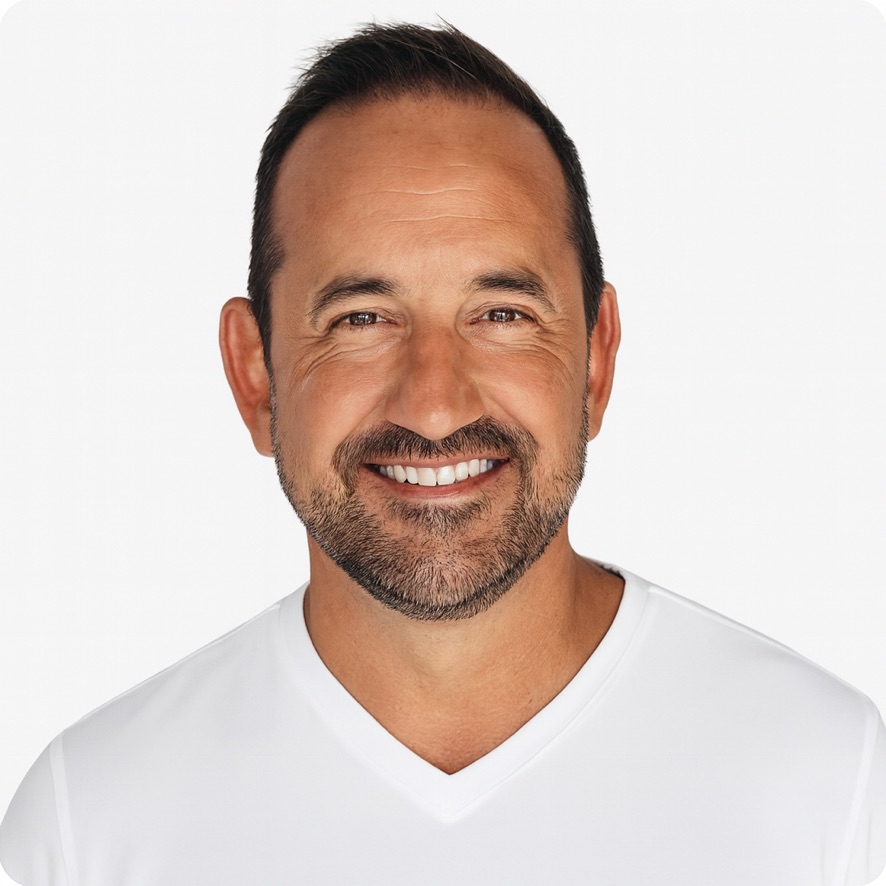
Roger Stellers
CEO
Roger is a builder. He spots unmet needs in complex markets and constructs solutions around them. He entered healthcare through a California primary care network, where his strategic instincts were recognized quickly. Within a year he was leading the organization as CEO. When Bill and Roy approached him about a gap they'd identified in FQHC behavioral health delivery, Roger saw what they saw: a structural problem that hiring alone would never solve. He designed the Legara model, the entity architecture, the economic framework, the go-to-market strategy, and has spent the past decade refining it through real FQHC partnerships. Today Roger leads Legara's vision, growth strategy, and client relationships, personally working with health center leaders across California.
Jonathon Wheaton, CPA
VP Finance & Operations
Jonathon is a Certified Public Accountant with decades of experience as a financial consultant, fractional CFO, and contingent CEO, guiding organizations through launches, restructurings, and complex operational builds. Referred to by his partners and clients as their most trusted business advisor, Jonathon brings conservative fiscal management and a deep understanding of healthcare financial operations. At Legara, he oversees the financial and operational infrastructure that makes the platform work: provider onboarding, credentialing workflows, EHR integration, scheduling systems, compliance documentation, and the financial controls that ensure every encounter is documented, cleared, and paid correctly. His commitment to Legara's mission is personal as well as professional.
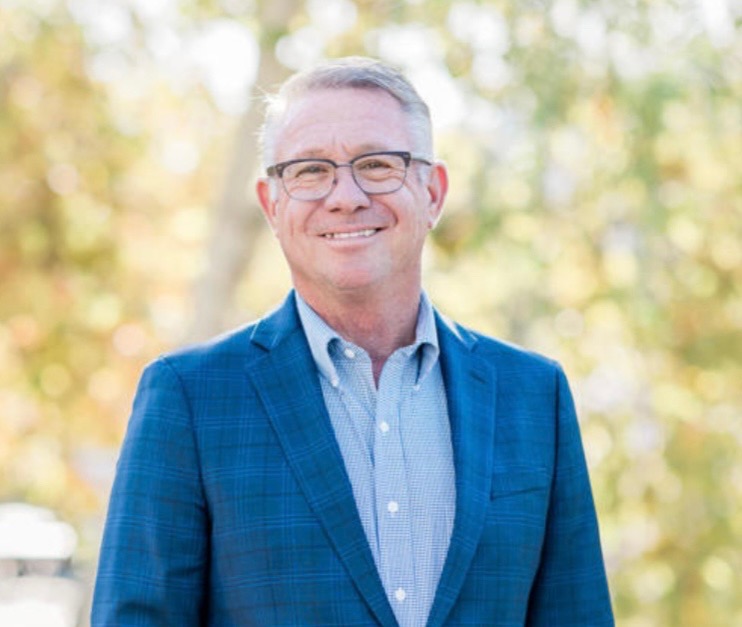
William Wells, RN, PhD
Founding Partner & Board Advisor
Dr. Wells spent decades as a psychiatric nurse working frontline behavioral health intakes in hospital settings before earning his doctorate in psychology. He served as Director of Clinical Services for a major medical center and worked in acute detoxification and behavioral health units across Southern California. His clinical depth in trauma-informed care and behavioral health service delivery ensures that Legara's model stays grounded in the realities of the populations FQHCs serve. Beyond healthcare, Bill serves as the Mayor of El Cajon, California and is a two-time congressional candidate, bringing a public service perspective to Legara's mission of expanding access to behavioral health care in underserved communities.

Roy Rodriguez, MBA
Founding Partner & Board Advisor
Roy is a veteran healthcare administrator recognized as Mental Health Person of the Year and a former San Diego Hospital Council member. Over his career he has held CEO positions at a freestanding psychiatric facility, an acute medical hospital, and a primary care mobile physicians network. He served as Director of a methadone clinic at UCLA and administered a residential treatment program for adolescents. Roy was also owner and Chairman of the Board at Alvarado Parkway Institute, a San Diego-based behavioral health facility. He holds a bachelor's degree in Public Administration and an MBA in Healthcare Administration. His extensive network across healthcare organizations and community partners, built over decades of behavioral health leadership, strengthens Legara's positioning within the safety-net ecosystem.